Design-Build: A Smarter Path to Faster, Simpler Project Delivery
September 12, 2026
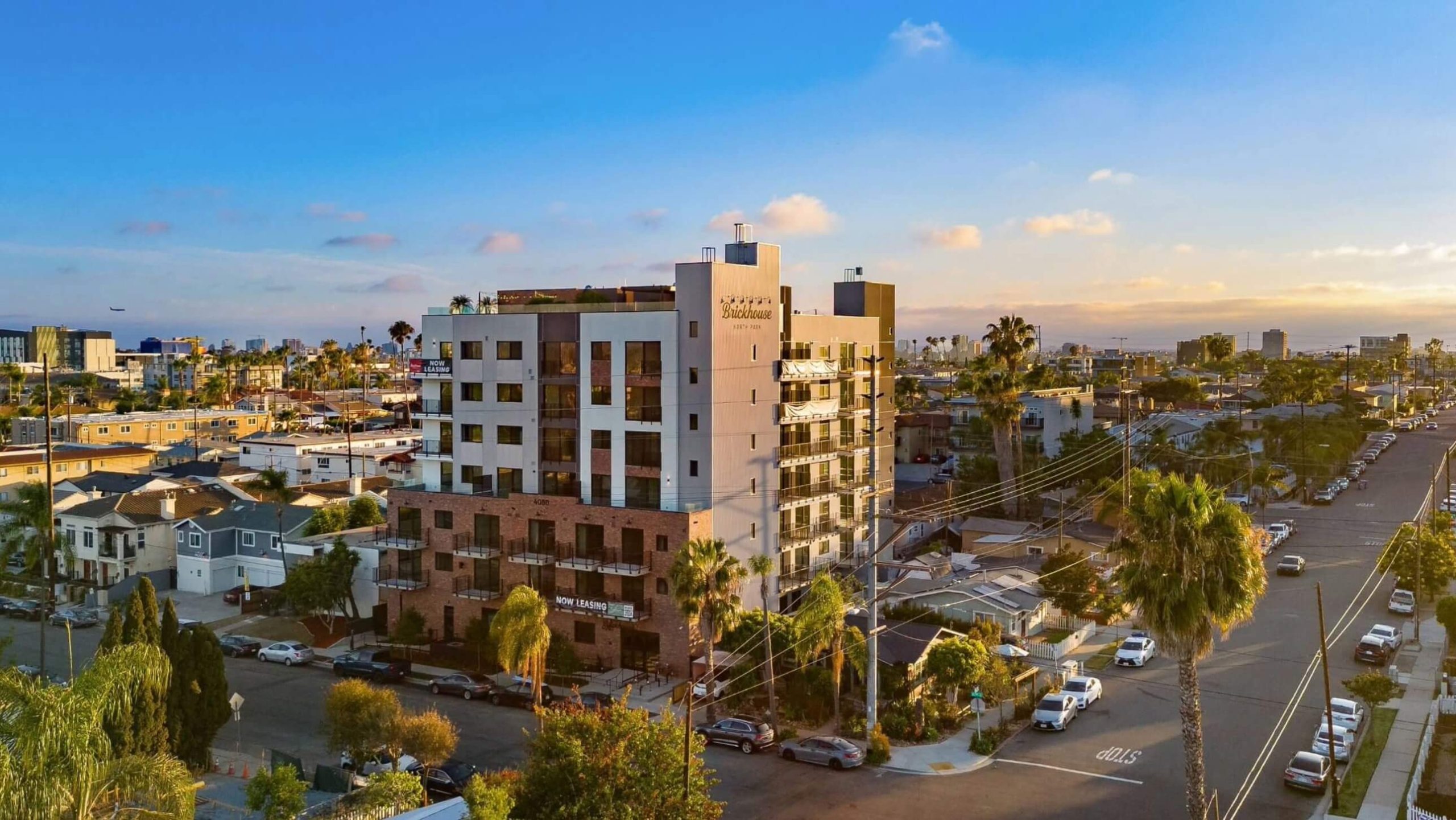
For owners planning a construction project, the delivery method selected at the beginning can significantly influence the project’s cost, schedule, communication, and overall experience. One approach that continues to provide meaningful advantages is design-build, a delivery method that places design and construction under a single contractual team.
Unlike the traditional design-bid-build process—where the owner separately contracts with an architect and a general contractor—design-build creates one primary point of responsibility. The design-builder coordinates the architects, engineers, consultants, subcontractors, estimating, scheduling, permitting, and construction activities required to complete the project. This integrated structure offers owners greater simplicity, improved collaboration, and the potential for a faster and more predictable project.
One Team and One Point of Responsibility
One of the strongest owner benefits of design-build is accountability. Instead of managing separate contracts and determining whether a design issue belongs to the architect, engineer, or contractor, the owner works with one unified team.
The design-builder is responsible for coordinating the design and construction process, resolving conflicts, and maintaining communication among the different disciplines. This reduces the administrative burden on the owner and limits the possibility of disagreements between independently contracted parties.
The relationship diagram on page 2 of the attached document illustrates this structure clearly: the owner contracts directly with the design-build entity, while the designer and builder operate as part of the same coordinated team.
Earlier Cost Information and Better Decision-Making
Design-build also allows construction knowledge to be incorporated while the project is still being designed. Contractors, estimators, subcontractors, and design consultants can review proposed materials, systems, details, and construction methods before the plans are complete.
This early collaboration helps the owner understand the potential cost impact of design decisions in real time. Rather than waiting until bidding to discover that a project is over budget, the team can continually compare the developing design with the established budget.
The process can also improve constructability, reduce unnecessary complexity, and identify practical alternatives without compromising the project’s primary goals. When cost-saving decisions are made early, they are generally easier to implement and less disruptive than changes made after construction documents have been completed.
A More Efficient Project Timeline
Schedule is another major advantage. Under a traditional delivery method, design is generally completed before contractor bidding and construction can begin. Design-build allows portions of the project to overlap.
For example, early demolition, site preparation, grading, utility work, long-lead material procurement, or foundation activities may begin while later design packages are still being finalized. The attached document explains that this ability to “fast-track” design and construction can shorten the overall project schedule.
Additional time can be saved because the contractor is already involved in the project. There is no separate bidding period required to bring the construction team up to speed, and fewer handoffs are needed between design and construction. Questions can be addressed directly and decisions can be made by team members who have been involved from the beginning.
Easier Project Delivery
Design-build creates a more streamlined experience for the owner. Communication flows through a coordinated team, project information is shared earlier, and responsibilities are more clearly defined. Because designers and builders work together, potential conflicts between plans, budgets, materials, and field conditions can often be identified before they become expensive construction problems.
The method can also reduce duplicative meetings, lengthy approval cycles, and the amount of time the owner spends coordinating independent consultants. The owner remains actively involved in establishing the project requirements, quality expectations, budget, and schedule, while the design-builder manages the detailed coordination necessary to deliver the work.
Ultimately, design-build offers owners a collaborative path that can provide greater accountability, earlier cost clarity, a shorter timeline, and a smoother transition from concept through completion. When supported by a qualified and experienced team, it can make a complex construction project easier to manage and more predictable to deliver.
Share